You have been there. That sinking feeling when you look at your lounge and realize the trendy sofa you bought just two years ago already looks tired. It felt like a “safe” choice at the time, a compromise between price and style. But now, it is contributing to the dreaded Furniture Replacement Tax.
This tax is not an invoice you receive. It is the real financial and aesthetic drain of constantly replacing items that promised value but delivered only temporary appeal. For the once-bitten South African homeowner, this cycle is frustrating.
The Trap of “Cheap Enough”
In our bustling South African suburbs, it is easy to fall into the trap of “cheap enough.” We see a deal, a discount, or a trend that seems too good to pass up. We convince ourselves that this “investment-grade furniture” will last.
-
Fast Fashion for Your Home: Much like fast fashion, quickly manufactured furniture often prioritises fleeting trends over enduring quality. The stitching frays, the timber laminate peels, and the cushioning sags far sooner than expected.
-
Aesthetic Fatigue: What is “in” today is often “out” tomorrow. Those bold accent colours or highly specific patterns might look exciting initially, but they quickly lead to a sense of a room feeling outdated.
-
Ignoring Local Realities: Cheap imports rarely account for our unique South African lifestyle. They do not consider the vibrant activity around the braai and stoep, or the need for robust pieces that can withstand a busy family life.
Why Trends Fade But Quality Matures
True quality is not just about price. It is about longevity, craftsmanship, and intelligent design. This is where the concept of The Furniture Cost-Per-Year truly shines.
-
Enduring Design: Quality pieces often feature classic lines and materials that transcend seasonal fads. Think solid timber rather than veneer, or genuine leather that develops a beautiful patina with age.
-
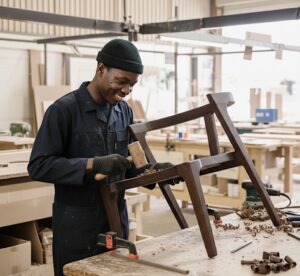
“Proudly South African” Craftsmanship: There is a strong movement towards locally handcrafted items. These pieces are often built with superior materials and techniques, designed to last, and tell a story that mass-produced items cannot. They are also inherently suited to the South African home, from their robust nature to their aesthetic.
-
The “Inside Out Method” Principle: When you invest in quality pieces that align with a holistic design strategy, they work harder and smarter. They contribute to the overall “flow” of your home, especially between the lounge and the stoep, ensuring that every item serves a purpose beyond just filling a space.
The Local Story: Thando from Bryanston
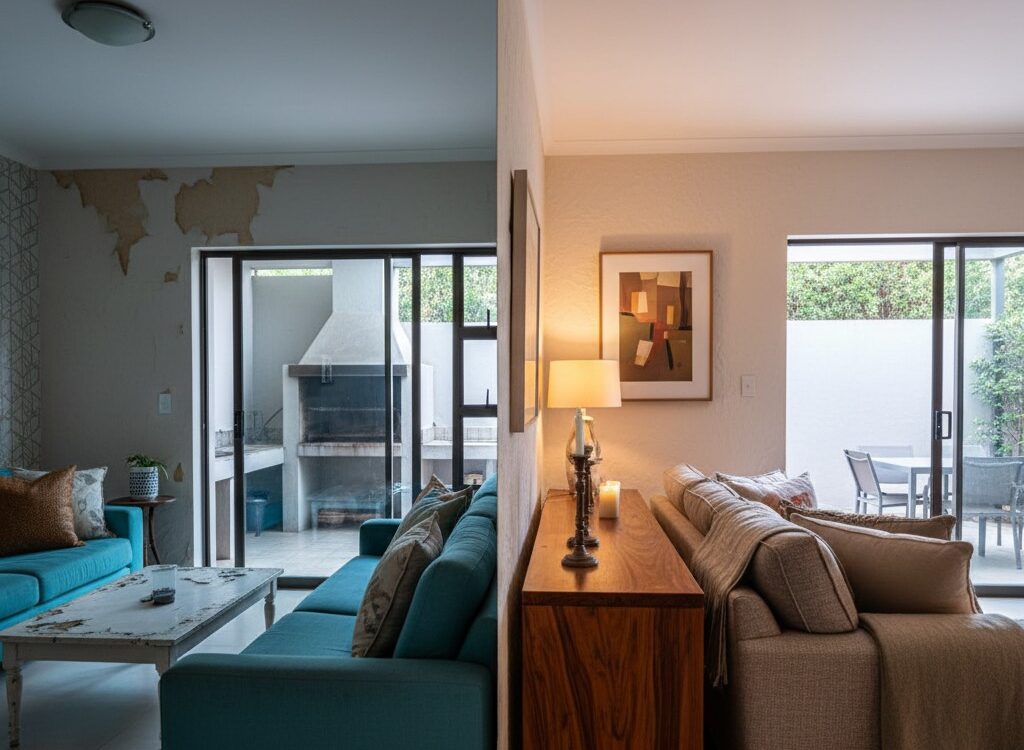
Thando, a seasoned professional from Bryanston, had experienced the “Replacement Tax” firsthand. Her first attempt at furnishing her spacious cluster involved several purchases from a trendy, budget-friendly store. The corner sofa, a vibrant turquoise, was a steal, but within 18 months, the fabric was pilling, and the colour had lost its punch. Her dining chairs, also a “bargain,” were wobbly and uncomfortable.
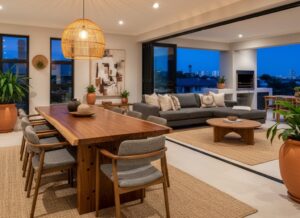
Her home felt perpetually temporary and outdated. She realised her “safe” choices had actually been the riskiest. By shifting her perspective to focus on the Inside Out Method and understanding the true Furniture Cost-Per-Year, she began investing in fewer, but higher-quality, locally handcrafted pieces. Her new solid timber dining set and subtly textured sofa now provide a timeless elegance that feels substantial and inviting.
From Expense to Investment
The mental shift for Thando, and for many like her, is powerful:
“My ‘cheap’ furniture is actually the most expensive thing I own.”
Understanding this allows you to escape the cycle of constant replacement. It transforms your approach from reactive spending to strategic investment. It ensures your home remains a stylish, comfortable, and truly lasting sanctuary.