You have been there before. That seemingly good deal on a lounge suite that looked perfect in the showroom, only to sag and fray within a couple of years. The initial price tag seemed attractive, but the constant need for replacement, or the frustration of living with worn-out pieces, reveals a hidden expense. This is the sting of the Furniture Replacement Tax, a concept all too familiar to the Once-Bitten homeowner.
For those seeking true investment-grade furniture, understanding the Cost-Per-Year is paramount. It moves beyond the immediate price to reveal the long-term value, transforming your approach to furnishing your home from a gamble to a strategic asset.
Invisible Structural Integrity: What Lies Beneath
The true longevity of furniture often lies in what you cannot immediately see. A superficial aesthetic can mask shoddy construction, making what appears to be a bargain, a costly mistake. This is often the real cost of cheap furniture.
-
The Frame is Foundation: For items like sofas and armchairs, the frame is everything. Look for solid timber construction, ideally hardwood, with reinforced joinery. Avoid particle board or stapled frames, which will quickly buckle under the demands of a busy South African household.
-
Quality Joinery Matters: How pieces are connected speaks volumes about their durability. Dovetail joints, mortise and tenon, or dowelled construction on timber pieces indicate superior craftsmanship, designed to withstand years of use. Cheaper alternatives often use simple screws or glue that weaken over time.
-
Upholstery Durability: Beyond the colour, consider the fabric’s rub count and composition. High-performance fabrics resist pilling, fading, and wear, essential for a family lounge or for pieces that endure bright South African sunlight.
Assessing Retail vs. Artisanal: Beyond the Showroom Gloss
The gleaming surfaces of a retail showroom can be deceptive. Distinguishing between mass-produced and thoughtfully crafted pieces is key to identifying 10-year furniture assets.
-
Mass Market Limitations: Retail chains, while convenient, often prioritise volume and fleeting trends. Their furniture might look good initially, but the materials and construction are typically designed for shorter lifespans, leading to the hidden cost of safe choices.
-
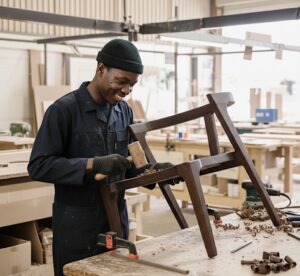
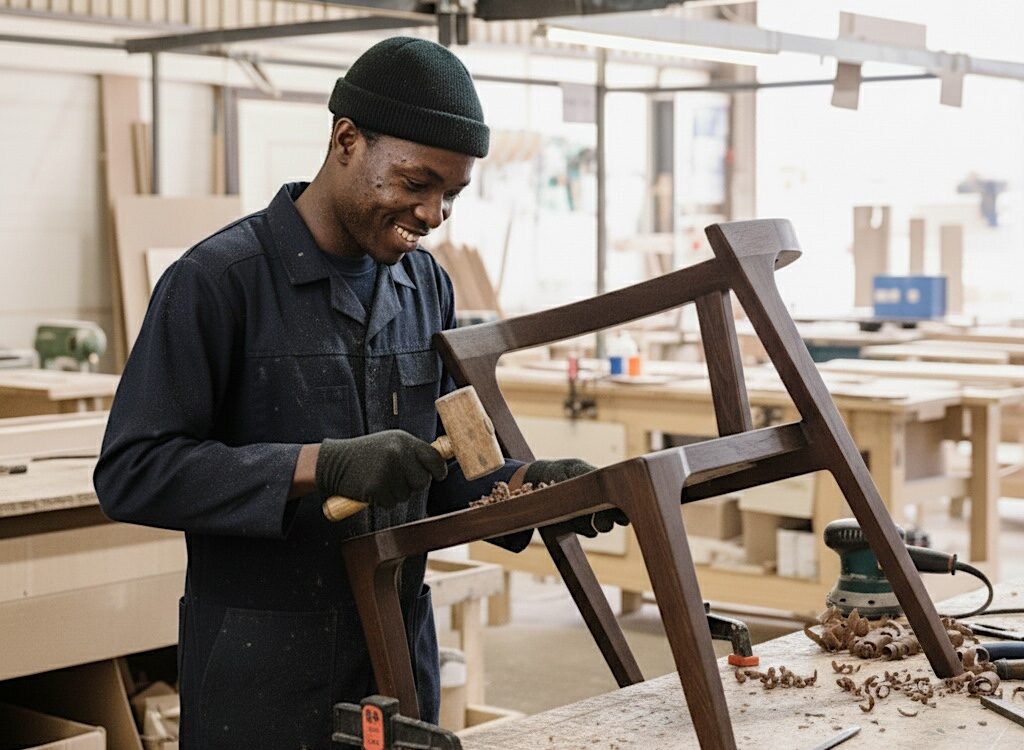
The Artisanal Advantage: Locally handcrafted pieces often represent true investment grade. Artisans, driven by pride in their work, use superior materials and time-honoured techniques. This commitment to quality ensures longevity and supports the “Proudly South African” sentiment. Such pieces are also inherently more suited to the local context, designed with consideration for our lifestyle, from the braai on the stoep to the robustness needed in a family home.
-
Designed for Life, Not Just Looks: Investment-grade furniture integrates seamlessly into your life. It is not about living in an obstacle course but about creating functional beauty. It supports the “Great Indoors” philosophy, allowing for easy flow and adaptability.
The Local Story: Lerato from a Midrand Cluster
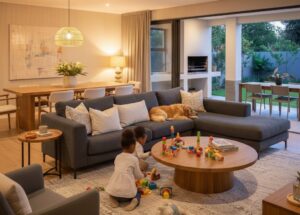
Lerato, a discerning homeowner in a Midrand cluster, had learned her lesson the hard way. Her first lounge suite, a “great deal” from a large chain, began to sag within three years. The fabric frayed, and the cushions lost their shape, making her once-stylish lounge feel perpetually shabby. She realised her perceived saving had actually cost her more in frustration and the eventual need for replacement.
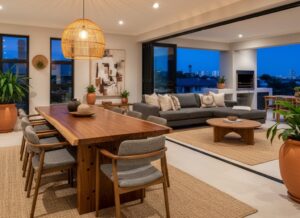
Her Designer Gap was focusing solely on the immediate price tag. When furnishing her new dining area, she shifted her focus. Instead of another quick purchase, she invested in a custom-made, oak dining table from a local artisan. She meticulously checked the joinery and discussed the wood’s provenance. Though more expensive upfront, she knew this table was a 10-year asset, a centrepiece for countless family gatherings and a testament to enduring quality.
The “Aha!” Moment: Beyond the Price Tag
The crucial shift for the Once-Bitten homeowner is undeniable:
“I should be looking at the frame and the joinery, not just the price tag.”
This insight empowers you to make informed decisions. By understanding the underlying construction and the true Cost-Per-Year, you stop gambling on fleeting trends and start investing in durable, beautiful assets that enhance your home for a decade or more. It is about building a home with integrity, much like you would build your financial portfolio.